
A supply chain works best when it’s built on the right structure. The right model supports consistent delivery, manageable inventory levels, and fewer interruptions between production and customer receipt. It can also

A supply chain works best when it’s built on the right structure. The right model supports consistent delivery, manageable inventory levels, and fewer interruptions between production and customer receipt. It can also

Keeping track of products in a warehouse requires more than basic labeling. For companies managing large volumes, regulated goods, or time-sensitive inventory, precision is key. Lot codes make that possible. These identifiers

Customers expect free shipping. They’ll fill their carts to meet the threshold. They’ll leave a website if it isn’t offered. For many, it’s the deciding factor between buying or walking away. But

Unexpected delays, changing demand, and rising storage costs are pushing businesses to rethink how they manage inventory. Every decision about what to stock, how much to carry, and when to replenish has

Many businesses want to sell online without managing inventory or shipping. Dropshipping makes that possible. What is drop shipping? It’s a retail model where you take orders and a third-party supplier ships

When inventory sits too long, it ties up cash, limits warehouse space, and slows down growth. On the other hand, moving products too quickly without restocking creates gaps that disrupt fulfillment. Striking
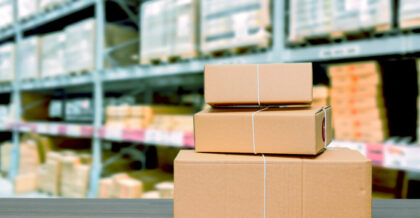
Shipping small parcels seems simple. Until the wrong box starts costing money, damaging products, or frustrating customers. If you’re responsible for getting orders out the door, choosing the right box size helps

Predicting how much product will sell, when, and where it needs to go can separate smooth operations from costly setbacks. Demand forecasting helps retailers stay ahead, reduce waste, avoid overstock, and meet

Fast, accurate fulfillment keeps customers happy and operations moving. Every step between receiving an order and shipping it out affects cost, speed, and customer satisfaction. Pick and pack services make this process

Inventory shortages can interrupt sales, affect customer satisfaction, and create unnecessary delays in fulfillment. When products aren’t available, buyers often see terms like “backorder” or “out of stock” without knowing the difference.