

Customers expect free shipping. They’ll fill their carts to meet the threshold. They’ll leave a website if it isn’t offered. For many, it’s the deciding factor between buying or walking away.
But shipping always has a cost.
Someone pays for the packaging, the labor, and the transportation. For most businesses, that cost comes out of their own margins. The challenge is figuring out how to offer free shipping without giving up profitability.
When companies understand where the costs come from and how to manage them, they can create smarter shipping strategies that meet customer expectations without hurting their bottom line.
What Does “Free Shipping” Really Mean?
Free shipping sounds simple, but it’s almost never what it seems. The customer doesn’t pay for shipping at checkout, but the business still covers the full cost behind the scenes.
Shipping includes more than just the carrier rate. It involves packing materials, handling time, and labor. These expenses are often built into the product price or balanced out by order minimums. In many cases, the cost is absorbed entirely, reducing the company’s margin on each sale.
Some brands offer free shipping as an incentive to increase order volume. Others use it to stay competitive in a crowded market. No matter how it’s framed, free shipping is always a strategic decision, not a free service.
The True Cost of Shipping
Shipping costs go far beyond the carrier’s invoice. Each order involves a chain of expenses that begins the moment a product is picked from a shelf.
There’s the labor required to pick, pack, and process the shipment. Packaging materials like boxes, tape, and filler come next. Carrier rates depend on weight, size, speed, and destination. For businesses shipping across zones or using expedited service, those rates can climb quickly. Fuel surcharges, residential delivery fees, and seasonal rate hikes can also affect the total cost.
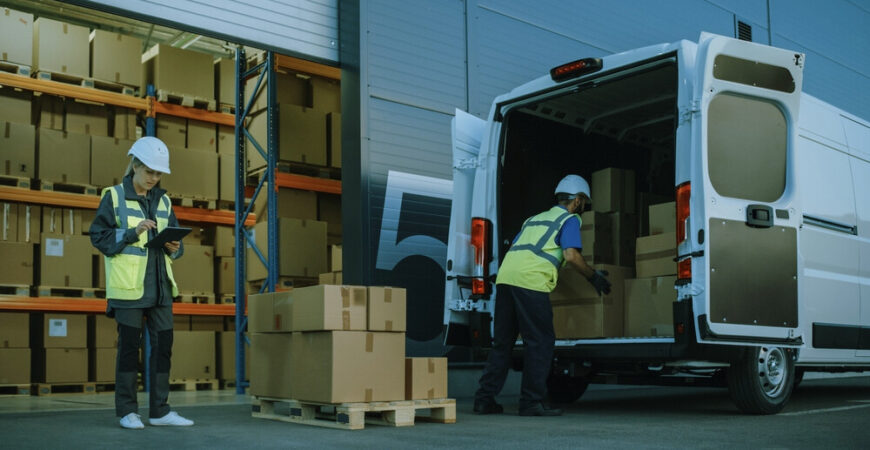
Warehousing plays a role, too. Inventory has to be stored, tracked, and rotated. If items aren’t shipped efficiently, storage costs rise, and space fills up.
Every shipment carries a mix of fixed and variable costs that add up over time. When companies promote free shipping without understanding the full picture, it can quietly chip away at profitability.
How Businesses Absorb or Offset Shipping Costs
Free shipping still costs money. The question isn’t whether a business pays for it, but how.
1. Product Price Adjustments
Some businesses build shipping costs into their product prices. This keeps the shipping label “free” while recovering expenses behind the scenes. It works best when the price increase doesn’t affect perceived value.
2. Order Minimums
Setting a minimum purchase requirement helps protect margins. Larger orders are more efficient to ship, and the higher average value makes it easier to cover shipping expenses.
3. Flat-Rate Shipping
While not technically free, flat-rate pricing gives customers predictability. It can also help offset costs without requiring significant price increases or minimums.
4. Loyalty Perks and Subscriptions
Many companies offer free shipping to reward repeat customers or paid members. This builds long-term value and makes the cost easier to justify through higher customer lifetime value.
5. Rate Discounts and Partnerships
High-volume shippers often negotiate lower rates with carriers. Smaller businesses can access similar pricing through a 3PL partner that consolidates volume across clients and uses data to optimize shipping methods.
Each of these methods comes with tradeoffs. The key is to pick an approach that supports both customer experience and business sustainability.
The Impact of Free Shipping on Margins and Profitability
Free shipping drives more conversions, but the cost lands squarely on the business. Without a clear plan, what seems like a growth strategy can quickly become a drain on profits.
Higher-margin products can typically absorb shipping expenses. Lower-margin items leave less room to maneuver, and even a few dollars per order can wipe out earnings. Multiply that across thousands of shipments, and the financial risk becomes clear.
Fluctuating shipping rates add another layer of complexity. Costs vary based on weight, speed, and destination. Some orders might ship below cost, while others barely stay profitable. Without a firm grip on those variables, the math behind free shipping becomes unreliable.
Consumer Behavior and Free Shipping
Free shipping changes how people shop. It reduces hesitation, speeds up decisions, and makes the final price feel more predictable. Many buyers will abandon their carts the moment unexpected shipping charges appear, even if the product itself is competitively priced.
Studies show that customers are more likely to complete a purchase when shipping is included in the total cost upfront. In some cases, they’ll even spend more just to unlock it. That behavior has made free shipping less of a bonus and more of a baseline expectation.

Shoppers also use free shipping as a way to compare brands. Two similar products, one with a shipping fee and one without, don’t feel equal in value. Even if the final total is the same, the one labeled as “free shipping” tends to win.
This shift in behavior creates pressure for businesses to adapt. It’s no longer about adding a perk. It’s about staying competitive in a market where convenience and clarity drive customer decisions.
How a 3PL Partner Like B&C Helps Manage Shipping Costs
Shipping costs add up quickly when fulfillment, packaging, and transportation aren’t optimized. B&C Logistics helps businesses reduce those costs through better processes, smarter routing, and access to volume-based carrier rates.
Our team streamlines order handling to cut labor time and packaging waste. Faster processing means lower costs without sacrificing accuracy or speed.
Through our carrier relationships, clients gain access to competitive shipping rates typically reserved for high-volume shippers. Regional fulfillment strategies also help reduce delivery distances and improve transit times.
B&C gives businesses the tools, visibility, and support needed to keep shipping costs under control while improving the customer experience.
Smart Shipping Strategies for Modern Businesses
Free shipping attracts customers, but it can put pressure on profit if not managed carefully. Businesses that stay competitive use smart tactics like regional fulfillment, rate comparisons, and order minimums to control costs.
These strategies work best with a logistics partner who can streamline operations and scale with demand. B&C Logistics helps businesses ship more efficiently through better processes, smarter routing, and access to lower carrier rates.
Ready to lower your shipping costs? Contact B&C Logistics to see how we can support your growth.