

As your company works to build up its supply chain network, you may need the services of a 3PL to improve operations and ensure more reliable delivery of goods to your customers. Here’s a complete guide to third-party logistics.
What is a 3PL?
A 3PL or third-party logistics company takes care of supply chain tasks or arranges them for companies that lack the experience or resources to handle these functions on their own.
What Does a Third-Party Logistics Company Do?
A third-party logistics company has experience with a myriad of supply chain duties that you would rather not handle yourself, or because you recognize that you need assistance. Here are some of the main activities of a 3PL firm:
Inbound Shipping
Efficient inbound shipping keeps your supply chain smooth and cost-effective. A 3PL partner can coordinate with suppliers to make sure inventory arrives on time, reducing restocking delays and storage costs. With inbound visibility, you can track shipments and plan ahead to keep operations agile.
Picking
As orders come in, the 3PL’s picking team determines where the products are and picks them from the shelves, usually with software helping them locate items quickly and efficiently and double-check that they have the right products.
Packing
After picking the items, it’s time to package them, using the most appropriately sized package to save space during transportation and minimize packaging waste, helping to lower shipping costs.
Receiving
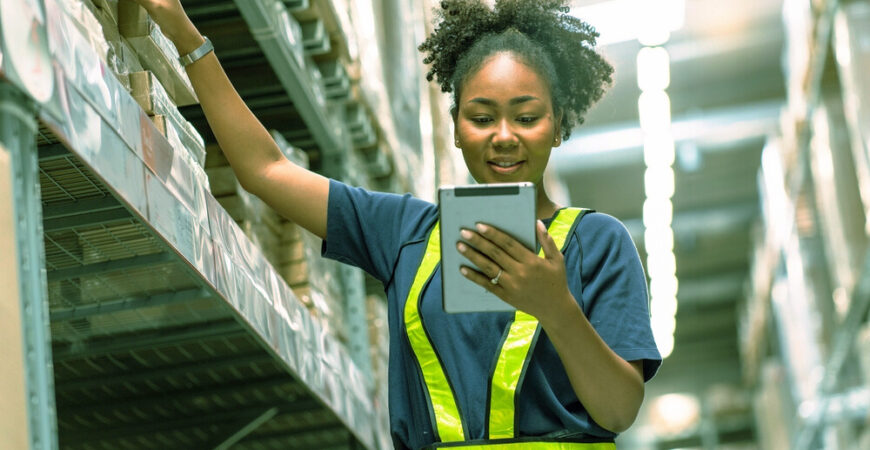
The third-party logistics company receives products from sources such as overseas or onshore suppliers, or your own production site. The 3PL team verifies the accuracy of the inventory, sees whether any items are damaged, and notes if anything is missing. At this point, they log the received items into their inventory management software system and then place them into storage in the warehouse.
Warehousing
A crucial function of your 3PL is to handle warehouse tasks. Ideally, you will work with a company that provides warehousing services in strategic locations, such as the Midwest, to ensure your orders ship out as quickly as possible, traveling the shortest distance. Warehousing services include maintaining environmental conditions per your requirements, such as low-humidity or cold storage for food items and nutraceuticals.
Outbound Shipping
A 3PL manages outbound shipping by coordinating with carriers for timely deliveries, updating tracking information, and optimizing routes to reduce costs. This improves delivery efficiency without the need for in-house logistics management.
Returns
When customers send back products, the 3PL receives and inspects them to determine whether they are suitable for reselling, or need to be recycled or destroyed. They also update the inventory system to reflect the status of these returned items. During returns processing, the 3PL will restock items as needed or arrange for reshipments.
How 3PL Services Support CPG Brands
CPG brands face unique logistics challenges, including fluctuating demand, expanding product lines, retailer requirements, and orders coming from multiple sales channels. A 3PL provides the infrastructure and expertise needed to manage these demands without requiring brands to build and operate their own fulfillment network.
With the right 3PL partner, CPG companies can coordinate inventory receiving, warehousing, order fulfillment, retail distribution, and e-commerce shipping through one logistics operation. This approach helps maintain accurate inventory, streamline order processing, and scale fulfillment as demand changes.
Outsourcing these functions also allows CPG brands to focus their internal resources on product development, marketing, sales, and customer relationships while their 3PL handles the day-to-day movement of products through the supply chain.
Inventory Management and Visibility in a 3PL Warehouse
Accurate inventory management is essential for CPG brands that need to keep products available across retail, B2B, and e-commerce channels. A 3PL warehouse uses inventory management systems and established processes to track products from receiving through fulfillment, giving brands better visibility into what is in stock and where it is stored.
Greater inventory visibility can help CPG companies make informed replenishment decisions, reduce stockouts and excess inventory, and prepare for seasonal or promotional demand. When multiple sales channels draw from the same inventory, centralized tracking also helps maintain accurate counts and ensures orders can be fulfilled efficiently as the business grows.
B2B, Retail, and E-Commerce Fulfillment Through One 3PL
CPG brands often sell through several channels at once, each with different fulfillment requirements. Retailers may require specific labeling, packaging, routing, or delivery procedures, while B2B orders can involve larger quantities and e-commerce customers expect accurate, timely shipments.
Working with one 3PL for B2B, retail, and e-commerce fulfillment allows CPG brands to manage these channels through a more unified operation. Inventory can be stored in one warehouse and allocated according to demand, helping simplify fulfillment as new customers, retailers, and sales channels are added.
Value-Added Services for CPG Products
CPG brands may have different product preparation requirements depending on the retailer, sales channel, promotion, or customer. A 3PL with value-added services can handle these tasks within the warehouse, helping brands maintain consistency, reduce operational complexity, and respond to changing order requirements.
Services such as kitting and bundling, custom packaging, labeling, repacking, and product assembly give CPG brands flexibility in how products are prepared and distributed. These capabilities can support promotional bundles, retail-ready inventory, subscription boxes, and customized e-commerce orders without requiring brands to manage additional facilities or service providers.

Why You Should Use a 3PL Company
Do you sell to retail companies? Or is your company designed for B2B sales? Perhaps you focus on e-commerce with D2C transactions and need specialized kitting and bundling to put together packages quickly and efficiently. Regardless, when you do not have the in-house expertise, knowledge, and experience to take care of your own logistics, it’s time to consider using a 3PL company.
Here are some common reasons to start using a 3PL company today:
Faster Delivery Options
A 3PL company has expertise in expediting shipments, experience optimizing fulfillment tasks, and benefits from having developed an efficient supply chain. It’s challenging for companies to create their supply chain network at the level of a 3PL, which is a compelling reason to partner with third-party logistics experts.

Saves Time and Money
Dedicated workers taking care of receiving, picking, packing, and shipping will ensure your products get out the door as quickly as possible. You’ll save money and time because you won’t need to hire your warehouse staff, let alone augment the team when more orders come in than anticipated, such as due to seasonal demand or positive reviews that encourage more customers to purchase them.
Specialized Logistics Knowledge
You will want to outsource supply chain tasks to take advantage of the 3PL company’s specialized knowledge of carriers, route optimization, returns management, and returns, so you can focus on your core capabilities.
Enhances Growth Opportunities
As your company grows and more customers order products, you can rely on the 3PL to grow too, adding picking and packing staff as needed to expedite shipments. For example, you test a crowdfunding campaign and receive an overwhelmingly positive response that will make it challenging to fulfill orders on your own. However, the 3PL is accustomed to fluctuating demand and can help you deliver items as your company grows in size and scope.
When to Choose a 3PL
If you’re a startup company, you may want to select a 3PL as soon as you have items to sell, instead of going through the hassle of setting up your own warehouse facility.
International Shipping
While you may be familiar with the ins and outs of domestic shipments, setting up a global supply chain can be a headache if you are just getting started selling products on an international scale. Instead, choose a 3PL with a proven track record in international shipping, so you can widen your customer base without interruption.
Higher Product Demand
If your warehouse is too small to accommodate a growing product line or retail inventory, or if you lack sufficient staff to quickly pick and package items to meet customer demand, it’s time to consider a 3PL partner.
Limited Time and Resources
When your time and resources are in short supply, it’s prudent to find a 3PL to outsource all supply chain tasks, from receiving your inventory and storing it, logging the details in the inventory management system, and quickly picking and packing items as orders arrive. Is your team prepared to handle a mandatory product recall quickly and efficiently? If not, it’s in your best interest to work with a 3PL partner now.
Signs Your CPG Brand Has Outgrown In-House Fulfillment
As a CPG brand grows, fulfillment can begin consuming resources that could be directed toward product development, sales, and other priorities. Frequent shipping delays, inventory inaccuracies, limited warehouse space, rising labor needs, and difficulty keeping up with order volume can all indicate that an in-house operation is no longer meeting the needs of the business.
Growth across retail, B2B, and e-commerce channels can add another layer of complexity. Each channel may have its own order volumes, packaging specifications, and shipping expectations. Partnering with a 3PL gives CPG brands access to established warehouse space, fulfillment processes, technology, and logistics expertise without having to continually expand their own operations.
How to Choose the Right 3PL for Your Business
Choosing a 3PL starts with understanding whether the provider can support your products, order volume, sales channels, and plans for growth. For CPG brands, important considerations include warehouse capacity, inventory management technology, fulfillment accuracy, shipping capabilities, and experience handling both retail and e-commerce orders.
Look for a 3PL that can adapt as your needs change. The provider should be able to accommodate fluctuations in demand, support specific retailer requirements, provide clear inventory visibility, and offer value-added services when needed. Communication and responsiveness also matter, particularly when resolving inventory or fulfillment issues.
The right 3PL should function as a reliable extension of your business, giving you the operational support needed to serve customers efficiently and pursue new growth opportunities.
What is the Difference Between 3PL and 4PL?
A 3PL or third-party logistics company tends to focus on order processing and delivery logistics. In comparison, a 4PL or fourth-party logistics provider is in charge of optimizing your supply chain and will also offer consulting services to ensure logistics go according to plan. 4PLs outsource the physical work of managing logistics to a 3PL.
We Know Logistics
B&C Fulfillment helps CPG brands manage the logistics demands that come with selling across retail, B2B, and e-commerce channels. With customized warehousing, inventory management, fulfillment, distribution, and value-added services, our team can build a logistics solution around your products, sales channels, and operational needs.
Spend less time managing fulfillment and more time growing your brand. Contact B&C Fulfillment today to discuss your logistics needs.