
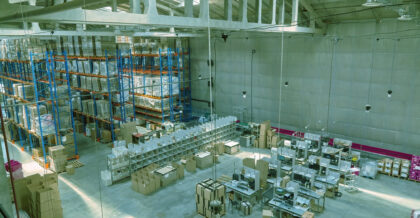
Seasonal Demand Can Test Every Part of a CPG Supply Chain
Seasonal peaks can be some of the strongest sales periods of the year for consumer packaged goods (CPG) brands. They also put pressure on suppliers, warehouses, carriers, and retailers at once.
During a surge, one pool of inventory may need to cover retail, wholesale, and online orders in the same week. When planning falls behind, inventory can miss receiving windows, late retail deliveries can lead to chargebacks, and overbuying can leave brands holding short-dated stock. Planning early helps control these costs and keep products available.
What Is Seasonal Demand Forecasting for CPG Brands?
Seasonal demand forecasting estimates how much of each product customers will buy during a certain time of year. CPG brands use it to decide how much inventory to order and when it needs to arrive.
Holidays are one driver. Weather, promotions, and shelf resets can also shift demand. A sparkling water brand may peak in July, while a supplement brand may peak in January. Seasonal products are harder to predict than everyday items, so the forecast should be updated throughout the season.
How to Plan for Seasonal Demand in 6 Steps
Seasonal planning works best when it starts months before the peak. Retail buyers may finalize holiday orders early, and suppliers, carriers, and warehouses need time to prepare.
1. Build a SKU-Level Forecast
A forecast for a whole product line can hide problems, since one flavor may sell out while another sits on the shelf. Estimate sales for each SKU, starting from last season and adjusting for new stores, promotions, and launches. Forecast retail, wholesale, and online orders separately.
Share the forecast early with your marketing team and fulfillment provider so promotions don’t catch the warehouse off guard.
2. Work Backward From Supplier and Inbound Lead Times
Start from the date product needs to be ready to sell, then subtract receiving time, freight transit, supplier production, and a delay buffer. For holiday inventory due to be sellable on November 1:
- Receiving and put-away: 2 days
- Freight transit: 10 days
- Supplier production: 45 days
- Delay buffer: 14 days
That puts the purchase order around August 21.
Arriving at the warehouse and being ready to sell are separate milestones. Receiving schedules fill quickly during peak season, so ask your fulfillment provider about cutoffs and book appointments early.
3. Establish the Right Inventory and Safety Stock Levels
Safety stock protects you when sales beat the forecast or shipments run late. Focus it on top sellers and slow-to-restock items. If a SKU moves 500 units a week, an extra 1,000 units covers a two-week supplier delay.
Shelf life matters too, since retailers may refuse short-dated inventory. A warehouse that tracks lot numbers and expiration dates can ship the oldest product first. Safety stock should arrive in the same receiving window as your other seasonal inventory.
4. Reserve Warehouse and Fulfillment Capacity Before the Rush
Warehouse space and labor get harder to find once peak season starts. Ask your fulfillment provider to confirm storage space, staffing, and receiving dates in writing, and find out what happens if volume runs higher than your forecast.
If your seasonal lineup includes gift sets or bundles, send packaging materials and assembly instructions before the receiving cutoff. Kitting that starts late can hold up every order that includes those items.
5. Coordinate Retail, B2B, and DTC Demand
When a SKU runs short, retail, wholesale, and online orders compete for the same units. Decide ahead of time which channel gets priority and how much inventory to set aside for each one.
Retail orders usually carry the strictest rules. Many large retailers assign a must-arrive-by date (MABD) to each shipment and track on-time, in-full (OTIF) delivery. Late or incomplete orders, mislabeled cases, and inaccurate advance ship notices can all lead to chargebacks.
Wholesale and online orders tend to be more flexible, but customers still expect accurate shipments and clear updates when items are delayed.
6. Create Shipping and Contingency Plans
Shipping costs and delivery times often change during peak season. Major parcel carriers add demand surcharges from fall into January, so build those fees into your pricing and promotions.
Weather can also slow freight. Winter storms in the Midwest can delay trucks and close lanes for days, and liquid products like beverages, sauces, and lotions may need freeze protection in transit.
Line up a backup carrier before you need one, and set customer delivery dates that leave room for delays.
Monitor Demand During the Season, Not Just Before It
Even a strong forecast will miss in places. Compare actual sales to your forecast each week and set clear triggers for action, like reordering a SKU when it drops below three weeks of supply or shifting inventory between channels when one falls behind.
Ask your fulfillment provider for regular reports on orders shipped, open orders, and inventory levels. Spotting a problem in a report is far better than hearing about it from a customer.
After the peak, plan for returns, which often arrive in January, and compare results against your forecast to improve next season’s plan.
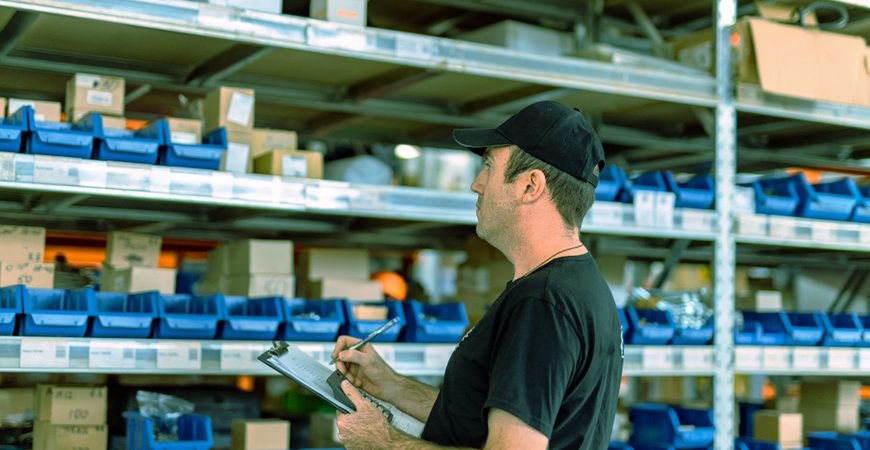
How a 3PL Helps CPG Brands Prepare for Seasonal Surges
A third-party logistics (3PL) provider gives CPG brands access to warehouse space, trained labor, and carrier relationships that can scale up for peak season and back down afterward. That flexibility helps brands handle short-term volume without committing to long-term space.
B&C Fulfillment supports CPG brands across retail, B2B, and DTC channels. Our 24-hour dock-to-stock process helps get inventory ready to sell quickly, and our retail fulfillment team works to meet MABD and OTIF requirements. Lot tracking, custom inventory reports, kitting services, and an FDA-registered, food-grade facility help brands manage seasonal products from factory to customer.
Ready to plan for your next seasonal peak? Contact B&C Fulfillment to discuss your warehousing and fulfillment needs.